
A Karen Anderson Field Guide

The Florida Condo Playbook

A Complete Guide to Buying, Selling, and Navigating Condo Laws

From reserve studies and milestone inspections to COA fees, insurance, and financing, Karen Anderson turns Florida's complex condo rules into a clear, play-by-play game plan for buyers and sellers.

Karen Anderson · REALTOR® · Broker Associate
Compass Florida, LLC · Champagne & Parisi Team · FL Broker #3141013
The Florida Condo Playbook, a book by Karen Anderson
About the Author

Your guide to Florida condo living

Karen Anderson is a REALTOR® and Broker Associate with Compass Florida, LLC, serving Boca Raton, Highland Beach, Delray Beach, and the Palm Beach and Broward County coastal communities as part of the Champagne & Parisi Team. Well respected by clients, peers, and industry leaders, she is known for her professionalism, ethical standards, and deep market knowledge, with the large majority of her business built on referrals and repeat clients.

She has called Boca Raton home for more than three decades and has worked South Florida real estate since 2005, with particular depth in waterfront properties, luxury homes, and the condominium market. That firsthand knowledge of Florida's buildings, associations, and evolving condo laws is what led her to write The Florida Condo Playbook: a clear, practical guide for buyers and sellers navigating one of the most rule-heavy corners of real estate.

Karen holds an active Florida Real Estate Broker license and brings patience, precision, and genuine care to every client relationship.

Designations & License CDPE · CIPS · ABR · PSA  |  FL Broker #3141013 · Licensed since 2005
Karen Anderson, REALTOR and Broker Associate with Compass Florida, LLC
Read the Book

The full playbook

Every chapter below opens to the complete text from The Florida Condo Playbook.
Click any chapter to read it in full.

Let the game begin! In this chapter, we delve into the key questions and considerations that every savvy buyer should address before making an offer and while under contract. These aspects are crucial in making an informed decision and ensuring the condo meets your lifestyle and investment goals. Location and Building Considerations Unit Location: Evaluate the unit's position within the building in relation to amenities such as elevators, trash rooms, exits, parking, and potential noise sources, especially if non-impact windows.

Consider your preferences for sunlight, shade, and wind exposure. Future Developments: Investigate any upcoming construction projects nearby that might impact property values, noise levels, or the overall ambiance. Points of Interest: Assess the proximity to shops, restaurants, waterfront, and recreational areas, considering how accessible these are by walking, biking, or driving. Condo Community Events: Inquire about the community's social atmosphere, including the frequency of social events, activities, and clubs.

Engage with current owners or management to get a sense of the community vibe. Amenities to Consider: Decide which amenities are important for your lifestyle. These may include a clubhouse, community room, fitness room, sauna, spa, massage room, card room, party room, game room, TV or theater room, community kitchen, cafe, restaurant, food and beverage station or area, library, business center or conference room, grill area, fire pit, pool (chlorine or salt chlorination), tennis/pickleball courts, putting green or golf course, boat dockage, umbrella and chair service, deeded beach access, picnic areas, covered/shaded areas, valet parking, garage attendant, electric vehicle (EV) and car washing station, community storage area for bicycles, beach chairs, etc., valet luggage carts, shopping carts, and wagons for owners' use, pet runs, pet stations, AED (Automated External Defibrillator), sprinkler system in the individual units.

Management Type: Determine if the condo is professionally or privately managed. Property Manager Availability: Check the on-site presence and availability of the property manager and maintenance personnel, including weekend availability. Building Facilities: Find out the number of elevators and units in the building, the presence of a building generator, and what portions of the building it services. Condo Policies, Rules, and Restrictions Approval Policies: Determine if buyers or tenants need approval from the Condo Association (COA) and if an interview is required (in-person, phone, or Zoom).

Guest Restrictions: Clarify guest restrictions, including the duration of stays, whether the owner must be present, and who qualifies as a guest (e.g., immediate family). Understand if guests are permitted to use the building amenities. Rental Restrictions: Verify if you can lease the unit immediately after purchase or if there is a waiting period. Understand the minimum rental duration, frequency of rentals, and renewal policies. Pet Policies: Confirm if pets are allowed for owners and tenants. Check for restrictions on the number of pets, permitted breeds, weight limits, and pet-specific deposits.

Review rules regarding pets in common areas and the availability of pet-friendly amenities. Service Animals vs. Emotional Support Animals (ESAs): Understand the legal distinction between service animals and ESAs. Service animals, typically dogs, are individually trained to perform tasks for people with disabilities. They are protected under the Americans with Disabilities Act (ADA) and are generally permitted anywhere the public is allowed. Emotional Support Animals (ESAs) provide comfort and support to individuals with emotional or mental health conditions but do not require specialized training.

ESAs are protected under the Fair Housing Act (FHA), which requires housing providers to make reasonable accommodations for them. Both service animals and ESAs are generally exempt from pet restrictions and fees. Corporate Owners: If purchasing as a corporation, verify that it is permissible within the building's rules. Vehicle Restrictions: Check for restrictions on vehicle types (cars, trucks, RVs, motorcycles) and signage. Parking Availability: Determine the types of parking available (e.g., garage, covered, uncovered), whether parking is assigned or deeded, and the number of spaces per unit.

Verify guest parking policies, the availability of rental spaces, and the presence of electric vehicle (EV) charging stations. Renovation and Construction Restrictions: Review any restrictions on renovation times, especially around holidays or during off-seasons. Understand the rules for noise-generating activities versus quiet renovations like painting and wallpapering. Smoking Restrictions: Determine whether smoking is permitted within the building or inside the unit. If allowed, find out if it is restricted to specific areas like balconies or designated common areas.

Recreation Area Rules and Restrictions: Learn about the hours of operation, restrictions for children, guests, and pets, and rules regarding poolside activities like using floats, playing music, or consuming food and beverages. Occupancy and Age Restrictions Occupancy Limits: Ask about the maximum occupancy allowed based on the number of bedrooms and if an owner can own more than one unit. Age-Restricted Properties, Housing for Older Persons Act (HOPA): When purchasing in a 55+ community, familiarize yourself with the age restrictions and the regulations regarding the approval of non-55+ residents by the condo association (COA).

The Housing for Older Persons Act (HOPA) allows certain housing communities to restrict occupancy to individuals aged 55 and older. To qualify, at least 80% of the units must be occupied by at least one person who is 55 or older, and the community must publish and adhere to policies that demonstrate an intent to provide housing for older persons. Approval of Non-55+ Buyers: In some cases, non-55+ buyers may be approved by the COA if they meet specific criteria set by the community. These criteria can vary but may include factors such as: Relationship to a 55+ Resident: Non-55+ individuals who are spouses, caregivers, or other close family members of a 55+ resident may be considered for approval.

Waivers or Exceptions: At its discretion, the COA may have provisions for granting waivers or exceptions under certain circumstances, such as hardship cases, conveyance of property to heirs, and allowance of under 55+ owners, provided it maintains the required occupancy percentage. Prospective buyers should consult the COA's rules and guidelines and communicate directly with the association to understand the specific requirements and process for approval. Storage Units and Guest Accommodations Storage Units: Verify if a storage unit conveys with the apartment, and if so, how many and where they are located (e.g., on the same floor or basement level).

Inquire about additional storage options for items like bicycles, beach chairs, and boogie boards. Guest Apartments and Cabanas: Some buildings, though less common, may offer guest apartments that owners can rent daily for short-term visitors. Check for availability and additional amenities like cabanas or studio apartments within the community. Maintenance Fee Coverage and Responsibilities What the Maintenance Fee Includes: The maintenance fee typically covers a variety of essential services and upkeep for the condo and its common areas, ensuring the building is well-maintained and secure.

This may include the following: Basic Utilities: Cable, internet, water, and trash removal. Pest Control: Regular pest control services. Note that individual units may or may not be included in the maintenance. Building Exterior and Roof Maintenance: Repairs and upkeep of the building's exterior and roof. Property Management: Fees for professional property management services. Recreational Facilities and Common Area Amenities: Upkeep and improvements of recreational facilities and common areas, which may include: swimming pool, spa, clubhouse, community room, fitness room, sauna, tennis/pickleball courts, putting green or golf course, boat dockage, playgrounds, grills, fire pits, picnic areas, valet parking and garage attendant services, electric vehicle (EV) and car washing stations, community laundry room.

Insurance Fees: The Master Liability Insurance Policy covers the building's insurance, including hazard and liability insurance. Reserve Fund Contributions: Allocations to reserve funds for future major repairs and replacements (e.g., roof replacement, elevator repairs, concrete and painting of exterior, mechanical systems). Security Services: Costs associated with security personnel, surveillance systems, and access control systems. Janitorial Services: Cleaning and maintenance of shared facilities such as hallways, lobbies, and laundry rooms.

Elevator Maintenance: Regular maintenance and servicing of elevators. Fire Safety Systems: Maintenance of fire alarms, sprinklers, and other safety equipment. HVAC System Maintenance: Upkeep and repairs of central heating, ventilation, and air conditioning systems in common areas. Legal and Administrative Fees: Costs for legal services, audits, and administrative tasks. Groundskeeping and Landscaping: Maintenance of gardens, lawns, and outdoor common areas. Utilities for Common Areas: Electricity, water, and other utilities used in common areas.

Special Assessments: Temporary fees levied for specific projects or unexpected expenses and may sometimes be combined with the maintenance fee. Additional Considerations Clarify other important maintenance responsibilities and policies for owners, including: Window Repair, Maintenance, and Replacement: Determine who is responsible for the cleaning, maintenance, repair, and replacement of windows. Balcony and Patio Floor Covering Restrictions: Determine who is responsible for maintaining, repairing, or replacing balcony or patio floor covering and whether there are restrictions on floor materials (e.g., is installation of tile over concrete permitted).

Grills: In accordance with local fire safety laws, does the association allow grills of any kind on balconies or patios? If there are community grills, verify whether maintenance staff is responsible for cleaning after use. Air Conditioning and Water Heater Location: AC units and water heaters can be located either inside the unit or in the hallway adjacent to it. The location is important for maintenance accessibility and personal preference, especially if you are sensitive to noise, as proximity to living and sleeping areas may impact your comfort.

Cooking Odors: Does the unit have a venting exhaust and/or require vented range hoods? Washer and Dryer: Are washers and dryers permitted in the unit? Is there an existing hookup and vent? Can one be retrofitted in the unit? Is there a community laundry room? If so, where is it located-usually in the basement or on the unit's floor. Trash and Recycling: Are the trash and recyclable receptacles located inside the unit or disposed of in a common area? Absentee Owners Whether for short or long-term absences, it's important to understand the building's policies for when the owner is not in residence.

These policies may include: Removing patio furniture during hurricane season. Providing the building management with a key to your vehicle in case it needs to be moved. Changing air conditioner filters regularly. Maintaining smoke detector batteries. Turning off breakers to the hot water heater. Setting the air conditioner to a specific temperature to prevent mold or damage. Shutting off the main water line and hot water heater to prevent leaks. Turning off the ice maker and removing perishable foods. Forwarding mail to your temporary address.

Providing an emergency key and alarm code to the front desk. Notifying property management of your absence and when you expect to return. Inquiring if the maintenance staff conducts inspections of the unit during your absence to ensure everything is in order. Mail, Package, and Food Deliveries Delivery Policies: Find out the procedure for notifying the owner of deliveries. Is there a designated area for packages? What is the policy when the owner is absent? Will building personnel deliver packages and food deliveries to your unit?

Windows, Storm Shutters, and Floor Coverings Impact-Resistant Windows: Check if the windows have storm shutters or are impact-resistant. If new impact windows have been installed, is the unit owner permitted to remove existing accordion shutters, or does the building policy still require them to remain for all unit owners? Window Cleaning: Determine if the condo association provides window cleaning services for the exterior part of the windows and sliding doors as part of the maintenance. If so, does it include the easily accessed sliding doors, such as on the balcony area, or is it limited to the windows that are not reachable?

What is the frequency of window cleaning-monthly or quarterly? Floor Covering Restrictions: Review policies on hard surface flooring, especially in bedrooms. Understand soundproofing requirements for installations. Security and Safety Features Security Measures: Investigate the security features of the condo, including the presence of security guards or a doorman, their working hours, and whether the building provides 24/7 coverage. Additionally, check for security measures such as key fobs for access, surveillance cameras, fencing, and gated entry points.

Flood Zone: Confirm if the building is located in a flood-prone area. Construction Control Line (CCL): Does any portion of the building lie east of the CCL? A condo within the CCL is subject to stricter regulations that require special permits for construction and renovation to protect the coastline, potentially limiting development options. Fire Sprinklers: Inquire if individual units have fire sprinklers and the location of fire exits. Automated External Defibrillator (AED): Inquire if the building has AEDs and identify the location of AEDs in the building.

Governance and Financial Considerations Board Meetings: Ask how often board meetings are conducted and if they are accessible in person and/or virtually. Proposed Changes: Investigate any proposed changes to condo documents or rules. Special Assessments: Check for any current or proposed special assessments, including payment and financing options and financial implications for the buyer. Conclusion By addressing these questions and considerations, you can ensure that the condo you choose aligns with your needs and expectations.

In the next chapter, we will explore the key information buyers should gather during the due diligence phase to make informed decisions. Additional Information Service Animals and ESAs: The relevant statute regarding service animals and Emotional Support Animals (ESAs) can be found under the Fair Housing Act (FHA), enforced by the U.S. Department of Housing and Urban Development (HUD). The FHA requires housing providers to make reasonable accommodations for individuals with disabilities, including the allowance of assistance animals.

HUD Notice FHEO-2013-01: "Service Animals and Assistance Animals for People with Disabilities in Housing and HUD-Funded Programs." http://www.hud.gov/sites/docu ments/SERVANIMALS_NTCFHEO2013-01. PDF Housing for Older Persons Act (HOPA): For more information about HOPA, visit the HUD website at http://www.hud.g ov/program_offices/fair_housing_equal_opp/seniors.

Navigating the condo market in Florida can be complex and challenging. As a skilled and knowledgeable Realtor, my goal is to guide you through every step, ensuring you have all the pertinent information to make an informed decision. This chapter will cover the critical aspects you need to know before making an offer on a condo and during the due diligence period once under contract. It emphasizes the importance of a thorough due diligence period and the value of working with an experienced Realtor. The Due Diligence Period The due diligence period in a real estate contract refers to the timeframe during which the buyer is allowed to thoroughly investigate the property to ensure it meets their expectations and requirements.

This period is crucial as it allows the buyer to conduct necessary inspections, review documents, and assess any potential risks or issues with the property before finalizing the purchase. During the due diligence period, the buyer typically: Conducts Property Inspections: This includes a general home inspection and may extend to specialized inspections (e.g., termite, radon, mold, or structural inspections) to uncover any hidden issues that could affect the property's value or safety. Reviews Title and Legal Documents: The buyer and/or their attorney check for any liens, easements, or encumbrances on the property and ensure the title is clear.

They may also review condo association documents, covenants, and zoning regulations. Obtains Financing: If the purchase is contingent on financing, the buyer uses this time to secure a mortgage or other funding and ensure they meet the lender's requirements. Assesses Environmental Concerns: The buyer might evaluate environmental factors such as flood zones, contamination, or any issues related to the property's location. Verifies Property Disclosures: The buyer reviews the seller's disclosures for any known issues with the property, such as defects or upcoming special assessments in the case of a condo.

The due diligence period generally includes the property inspection, though specifics can vary depending on the terms of the contract and local real estate practices. Some contracts may allow the inspection to be conducted outside of the due diligence period, but typically, it is a key part of this timeframe. The due diligence period gives the buyer the opportunity to back out of the contract or renegotiate terms if significant issues are found without forfeiting their earnest money deposit, depending on the contract's terms.

Key Documents Required on the Condominium Rider As this is a critical phase of the condo-buying process, you'll need to obtain and review essential documents and information to protect your interests. Once under contract, these documents are provided, giving you the opportunity to thoroughly assess them. It's important to conduct your own due diligence, and if you have any questions or uncertainties, you should directly contact the association's property manager and/or consult with an attorney. Below are the key documents and information required by the Condominium Rider of the Purchase Contract that you should review during the three-day right of rescission period: Condominium Documents Declaration of Condominium: This document is the cornerstone of the condominium's legal framework.

It includes the legal description of the property, defines the units and common areas, and specifies the rights and responsibilities of unit owners and the association. Amendments to the Declaration of Condominium: Official changes or additions to the original document addressing evolving needs, legal requirements, or preferences of the unit owners. Articles of Incorporation: Establishes the condominium association as a legal entity, typically a non-profit corporation, outlining the purpose of the association and its powers.

Bylaws: Governs the operation of the condominium association, including rules for meetings, voting procedures, the duties of the board of directors, and the management of the property. Rules and Regulations: Day-to-day rules that residents must follow, covering issues from noise restrictions to pet policies and the use of common areas. Frequently Asked Questions (FAQs): Updated annually, this document addresses common questions about the condominium, including information on lawsuits, restrictions on the use and leasing of the unit, maintenance fees, special assessments, voting rights, and recreational or commonly used facilities.

Financial Information Most Current Budget: Provides a detailed breakdown of the association's projected income and expenses for the current fiscal year, which is crucial for understanding the financial health of the condominium. Last Year-End Financial Statement: Offers a comprehensive overview of the association's financial performance over the past year, including income, expenses, and reserve fund status. According to the Condo Rider, the buyer has three (3) days (excluding Saturday, Sunday, and legal holidays) after receipt of The Declaration of Condominium, Articles of Incorporation of the Association, Bylaws and Rules of the Association, and a copy of the most recent Year-end Financial Information, and Frequently Asked Questions and Answers Document (if so requested in writing) to review and approve the documents.

If the buyer does not receive the documents in full, the three-day right of rescission period does not commence until such documents are received, up until closing. Other Required Documents Milestone Inspection Report: Part of Florida's new condo safety laws, ensuring the structural integrity of aging buildings that are three stories or higher. Includes a thorough inspection of critical components like the foundation, load-bearing walls, and roofing systems. Structural Integrity Reserve Study (SIRS): Assesses the funds needed to maintain and repair structural elements of the building over time, helping the association plan for future repairs and ensuring sufficient reserves to cover costs.

Governance Form: A document provided by the Division of Florida Condominiums, Timeshares, and Mobile Homes under the Department of Business and Professional Regulations (DBPR). It summarizes the condo association's structure, the roles of the board, owner rights, and rules. Application and Fees The formal process a buyer must go through to be approved by the condo association before finalizing the purchase. Many condo associations require an application process and fee to cover the background screening process. Application Process: The condo association's approval is usually a condition for closing the purchase.

It includes personal information, financial details, references, and background screening to ensure the buyer meets the association's criteria. Application Fee: A non-refundable fee that covers administrative costs, background checks, and other necessary due diligence performed by the association. Additional Fees: These may include fees for a master association, land or recreational lease, capital contributions, and deposits for pets. Additional Information While not specifically required by the condo rider, the following items are essential for a comprehensive understanding of the condo and its association: Board of Directors Meeting Minutes Last 12 Months of Minutes: Provides insight into the decisions and discussions of the condo's board of directors, highlighting ongoing issues or upcoming projects.

Seller's Real Property Disclosure Seller's Disclosure: A document completed by the seller, disclosing information that could materially affect the property's value, such as structural issues, plumbing, electrical systems, water intrusion, mold, proposed changes in condo documents, and special assessments. Lien and Permit Search Determine if there are any liens on the property, open or expired permits, or work performed without legally required permits. The title company typically orders a permit and lien search, and it is prudent to obtain the results during the due diligence period.

FIRPTA (Foreign Investment in Real Property Tax Act) FIRPTA requires foreign sellers to withhold a portion of the sale price for tax purposes. Buyers should consult an attorney to understand their obligations and any potential legal risks. Special Assessments History and Scope of Work: Includes details of special assessments, ideally from the past ten years, outlining the scope and costs for both the building and individual unit owners. Current or Proposed Special Assessments: Understand if any special assessments are in place or being discussed.

Negotiate the terms of the offer as to whether the seller will be paying the special assessment in part or in full prior to or at closing. Determine whether the buyer can assume the remaining balance, pay it off in installments after closing, or be required to pay it off at closing. Future Assessments: Ask if any foreseeable assessments are expected in the next two years. Condo Association Maintenance (COA) Fee Increases: Inquire about the percent increase of COA fees each year over the past five years. Proposed Changes and Board Meetings Changes to Condo Documents or Rules: Review any upcoming changes that may affect ownership or living conditions.

Board Meetings: Understand the frequency of meetings and whether they can be attended in person or virtually. The Role of Your Realtor A knowledgeable and skilled Realtor is invaluable in navigating the condo-buying process. Here's how I ensure your interests are protected: Expert Guidance: I provide clear explanations of all documents and obligations, helping you understand the details while guiding you within the professional boundaries of a Realtor. For specific legal questions, I will advise you to seek legal counsel.

Thorough Assistance: I ensure all necessary documents are obtained and guide you on how to review them effectively. Negotiation Skills: I employ strong negotiation skills to advocate for your best interests. Continued Support: I offer ongoing support and guidance throughout the entire buying process, from the initial offer to closing. Conclusion The condo buying process involves many intricate details that can significantly impact your purchase decision. By working with a skilled Realtor, you can navigate these complexities with confidence, knowing that every crucial aspect is thoroughly addressed.

In the next chapter, we will explore the additional questions and considerations a savvy buyer may want to ask or request before making an offer and while under contract.

to the New Laws In recent years, Florida has seen significant changes in its condominium safety regulations. These changes stem from a tragic event: the collapse of the 12-story Champlain Towers South in Surfside in June 2021, which resulted in the loss of 98 lives. This catastrophe prompted lawmakers to re-evaluate and strengthen building safety protocols to prevent such incidents in the future. The original condo safety laws were passed swiftly in May 2022 as SB 4-D by Governor Ron DeSantis. Subsequent amendments and updates were made with SB 154 enacted on June 9, 2023, and HB 1021, known as "Condo 3.0," signed into law in June 2024.

These bills aim to enhance safety, transparency, and accountability for condo owners and associations. Historical Context and Inspection Evolution Before the Surfside tragedy, only a few counties in Florida, including Miami-Dade and Broward, had mandatory inspection programs for aging condominiums. These programs, such as the 40-year recertification, required structural and electrical safety inspections every ten years after the initial 40-year inspection. However, these local regulations were insufficient to prevent the Surfside collapse, highlighting the need for comprehensive statewide regulations.

Following the collapse, it became evident that the existing laws did not adequately address the maintenance and safety of aging condominium buildings. Consequently, the Florida legislature enacted SB 4-D in 2022, which mandated Milestone Inspections and Structural Integrity Reserve Studies for all condominium and cooperative buildings three stories or taller. This legislation aimed to ensure that buildings are structurally sound and have sufficient reserves for necessary repairs. Key Provisions of the Laws The cornerstone of these new regulations is the introduction of Milestone Inspections and the Structural Integrity Reserve Study (SIRS).

Milestone Inspections: First Milestone Inspection: Required once a building reaches 30 years of age. However, if local environmental conditions justify it, such as proximity to seawater, local enforcement agencies can mandate an earlier inspection at 25 years. Subsequent inspections occur every ten years. Second Milestone Inspection: If significant deterioration is found, a more detailed second inspection is required to address specific issues. Extensions can be requested under certain conditions. Qualified Professionals: Inspections must be conducted by Florida-licensed engineers or architects.

The role of inspectors has been expanded to include teams of design professionals supervised by licensed engineers or architects. Structural Integrity Reserve Study (SIRS): The SIRS includes a comprehensive review of the building's structural and mechanical components, identifying the expected useful life and estimated replacement costs. Items typically included in a SIRS are roofing, load-bearing walls, plumbing, electrical systems, waterproofing, windows, and exterior painting. Floors and foundations have been removed from the assessment (SB-154).

Funding of certain reserves, commonly referred to as "SIRS Reserves" (structural items), cannot be waived or reduced, regardless of any vote, for a budget adopted on or after December 31, 2024. Senate Bill Updates Senate Bill 154 (AKA the Glitch Bill): Effective June 9, 2023, this bill amends the original 2022 bill SB 4-D. It requires buildings of three floors or more to obtain a Milestone Inspection, Report, and Summary and for associations to obtain a Structural Integrity Reserve Study (SIRS). Key updates include: One and two-story condo buildings are exempt from SIRS.

Starting with budgets adopted on or after December 31, 2024, associations cannot vote to reduce or skip funding for certain structural reserves. From January 1, 2025, associations must base their budgets on the latest SIRS findings. The implementation of SBD-4 will be postponed by a year, making it applicable to budgets adopted on or after December 31, 2024. Associations that follow a calendar fiscal year must legally finalize their 2025 budgets by December 18, 2024. Therefore, for most associations, the law will effectively not take effect until the 2026 fiscal year, as their 2025 budgets will already be approved before December 31, 2024.

Scope of Impact The scope of impact for the new Florida condominium safety regulations is substantial. Here are some updated details based on the latest information as of this printing: Number of Units and Residents: The new regulations affect over 1.5 million condominium units in Florida, which house approximately 2.8 million residents. This indicates the broad scope of the new laws and their significant impact on a large portion of Florida's population. Number of Buildings and Associations: There are nearly 30,000 condominium associations in Florida.

Many of these buildings are three stories or taller and thus are required to comply with the new safety laws. This vast number of associations highlights the extensive reach of the legislation. Average Residents per Unit: The average number of residents per unit is estimated to be around 1.87. This helps understand the density and living arrangements within these condominium units, providing a clearer picture of how many individuals are affected on a per-unit basis. Impact on Buyers For buyers, these new laws bring both reassurance and responsibility.

On the one hand, knowing that buildings undergo rigorous inspections can provide peace of mind regarding safety. However, buyers must also be vigilant and informed. What Buyers Need to Look For: Inspection Reports: During the due diligence process, buyers should request recent inspection reports from the condo association to understand the building's condition and any pending repairs. Association Compliance: Ensure that the condo association is in compliance with the new laws and has a proactive approach to maintenance and repairs.

Questions to Ask Sellers, the Association/Property Manager, and Inspectors: Recent Inspections: When was the last milestone inspection, and what were the findings? Upcoming Repairs: Are there any scheduled repairs or assessments that could impact the unit's value or livability? Reserve Funds: Does the condo association have sufficient reserve funds, as outlined in the SIRS, to cover necessary repairs? Board Meeting Minutes: Buyers should request minutes from recent board meetings to uncover any discussions about upcoming assessments, repairs, or financial issues.

This information can be crucial in understanding potential future costs and issues. Due Diligence: It's important for buyers to perform due diligence by directly contacting the condo association to get answers to their questions and verify the information provided. Financial Considerations: Buyers should factor in potential special assessments or increased association fees that might arise from compliance costs. It's crucial to budget for these expenses and consider them in the overall cost of ownership. Impact on Sellers For sellers, these new regulations mean more preparation and potential costs.

However, understanding and addressing these requirements can also be a selling point, demonstrating a commitment to safety and compliance. Necessary Preparations for Compliance: Unit-Specific Inspections: Sellers should ensure their individual unit is in good condition by conducting inspections and making necessary repairs. While sellers do not conduct inspections of the entire building, they should be aware of the building's inspection status and be prepared to provide buyers with relevant documentation. Documentation and Inspection Readiness: Sellers should ensure all inspection reports and related documents from the condo association are organized and readily available to prospective buyers.

Disclosing Known Facts: Material Facts: Sellers must disclose all known facts that materially affect the property's value or safety. This includes any pending assessments, needed repairs, or compliance issues with the new laws. Preventing Legal Repercussions: Informing the real estate consultant and buyers of these facts is imperative to prevent any legal repercussions from nondisclosure. Potential Costs and How to Handle Them: Repairs and Upgrades: Addressing any issues within the unit identified in inspections may require investment.

Sellers should be prepared for these costs and consider how they might affect the listing price. Negotiating Repairs: In some cases, sellers might negotiate with buyers to share the cost of necessary repairs. Transparency about these costs can facilitate smoother negotiations. Expertise of Real Estate Consultants Utilizing the expertise of a real estate consultant is essential. A knowledgeable consultant can ensure all necessary information is obtained prior to listing the property if representing a seller and can ascertain that the buyer receives all pertinent information, including board meeting minutes and details about any upcoming assessments or repairs.

Navigating the Changes Both buyers and sellers can benefit from staying informed and working with knowledgeable professionals. The following resources and strategies can help navigate these changes effectively: Resources for Both Buyers and Sellers: State and Local Government Websites: These sites often provide updates on regulations and compliance deadlines. Professional Associations: Organizations like the Florida Association of Realtors offer guidance and resources for navigating these laws. Working with Real Estate Professionals: Experienced Agent: Choosing a real estate agent who has expertise in the local condo market and knowledge of the new laws can be invaluable.

Inspectors and Contractors: Hiring reputable inspectors and contractors to assess and address any issues within the unit can ensure compliance and protect investment value. Staying Informed About Ongoing Updates: Regulations may continue to evolve, so it's important to stay informed about any changes. Regularly checking official sources and maintaining open communication with condo associations and real estate professionals can help both buyers and sellers stay ahead of new developments. Conclusion The new condo safety laws in Florida mark a significant shift in how condominium buildings are managed and maintained.

While these regulations introduce new challenges, they also enhance safety and transparency, ultimately benefiting both buyers and sellers. By understanding the key provisions, preparing adequately, and leveraging professional expertise, navigating these new waters can be a manageable and even advantageous process. For more detailed information on Senate bills SB 4-D, SB 154, HB 1021, and any future bills, please visit the Florida Senate website at http://ww w.flsenate.gov.

The Florida condo market is evolving, and with change comes opportunity. Whether you're a buyer looking for your next investment or a seller ready to make a move, now could be the perfect time to act. In this chapter, we'll explore the compelling reasons to buy or sell in the current market, the potential advantages, and the obstacles you might face along the way. By understanding these dynamics, you'll be better positioned to make smart decisions that align with your goals. Opportunities for Buyers The Florida condo market offers numerous benefits for buyers who are willing to navigate the shifting landscape.

With new safety regulations in place, the properties you're investing in now are likely to be more secure and better maintained, which can pay off long-term. Key Benefits of Buying Now Stricter Safety Laws Mean Better Quality Buildings: Florida's new condo safety laws require thorough inspections and well-funded reserves, which means buyers can feel more confident in the integrity of the buildings they're purchasing. A condo that has recently undergone a Milestone Inspection and completed a Structural Integrity Reserve Study (SIRS) will provide more transparency on the condition of the property.

Opportunities for Value Growth: As safety regulations increase, older buildings that comply may see a rise in value. Buyers who act now can capitalize on future value appreciation as these regulations continue to be implemented. Greater Transparency in the Market: With the new laws in place, condo associations must provide more detailed information to potential buyers, including recent inspection reports, reserve fund studies, and any upcoming special assessments. This transparency allows buyers to make informed decisions and avoid unforeseen costs.

Smart Moves for Buyers Target Buildings That Have Completed Recent Inspections: Condos that have already undergone the Milestone Inspection and SIRS are likely to be in a better state of repair and have fewer hidden risks. Make sure to review these reports as part of your due diligence. Leverage Inspection Reports to Negotiate: Inspection findings can be used as a powerful negotiation tool. If repairs are needed, you may be able to negotiate a lower purchase price or ask the seller to address issues before closing.

Look for Long-Term Investment Potential: As the market adjusts to new safety standards, the condos that meet these requirements will likely see value increases. Focus on properties in desirable areas that are poised for long-term appreciation. Opportunities for Sellers While selling in a market with new safety regulations may seem daunting, there are numerous advantages for sellers who approach the process strategically. Highlighting compliance with the latest safety laws and addressing potential buyer concerns upfront can set your property apart and make it more attractive to serious buyers.

Key Benefits of Selling Now Increased Buyer Confidence: Properties that comply with Florida's new safety laws are more appealing to buyers who value safety and transparency. Demonstrating that your condo is up to code can give you an edge in the market. Higher Property Values for Well-Maintained Units: If your condo has recently undergone inspections and necessary repairs or upgrades, its market value may increase. Buyers are willing to pay more for properties that are in good condition and have fewer risks. Strong Demand in Desirable Areas: The demand for condos in Florida remains high, particularly in sought-after locations.

Sellers who position their properties well can take advantage of this demand and secure favorable offers. Smart Moves for Sellers Ensure Your Condo is Inspection-Ready: Before listing your property, make sure it has undergone all required inspections and that any necessary repairs have been made. Having up-to-date reports on hand can reassure buyers and speed up the selling process. Be Transparent About Assessments and Repairs: Buyers will likely have concerns about upcoming assessments or repairs. Be proactive by disclosing any known issues upfront and highlighting what has already been addressed.

Transparency builds trust and can prevent surprises during negotiations. Leverage Compliance as a Selling Point: If your condo is fully compliant with the new safety laws, make this a central part of your marketing strategy. Highlighting compliance will reassure buyers and help your property stand out from others that may not meet the new standards. Overcoming Potential Obstacles While there are many opportunities, both buyers and sellers may face challenges in the current condo market. Understanding these potential obstacles and preparing to address them can help you navigate the process more smoothly.

Obstacles for Buyers Higher Maintenance Fees Due to New Regulations: The new condo laws require associations to keep higher reserves for structural repairs, which may lead to increased maintenance fees. Buyers should factor this into their budget and ask for detailed financial information from the association before making an offer. Risk of Special Assessments: Some buildings may need significant repairs to comply with new safety regulations, and these costs are often passed on to owners through special assessments.

Buyers should carefully review the building's financials and inquire about any upcoming assessments during the due diligence period. Obstacles for Sellers Potential Costs of Compliance: If your building has not yet undergone a Milestone Inspection or completed a Structural Integrity Reserve Study, you may need to invest in these processes before selling. While these costs can be significant, completing them can make your property more attractive to buyers. Buyer Hesitancy Around Upcoming Assessments: Buyers may be wary of purchasing a unit in a building that is facing upcoming special assessments.

Be prepared to address these concerns by providing as much information as possible and offering solutions, such as adjusting the asking price to account for future costs. Conclusion The Florida condo market is undergoing significant changes, but with these changes come opportunities. Whether you're a buyer looking for a safe and secure investment or a seller ready to showcase your property's compliance with new laws, there are ways to maneuver in the current landscape successfully. By staying informed, leveraging the advantages of these new regulations, and preparing for potential challenges, you can make the most of the current market conditions and achieve your real estate goals.

Purchasing a condo is a significant journey that requires careful planning and attention to detail. This chapter guides you through each pivotal stage, from making an offer to closing the deal, ensuring a seamless and successful transaction. Finding the Right Condo: Points to Ponder Choosing the right condo involves evaluating several key factors: Lifestyle and Community: Consider whether the condo's lifestyle, quality of life, and community align with your expectations and values. Questions to Ask: Reach out to property management and, if possible, current residents.

Inquire about the community's culture, social scene, and organized events or clubs. Understand the building's resident demographics, including the percentage of full-time versus seasonal occupants. Assess the financial personality of the building and whether residents are proactive in maintaining and improving the community. Review the history of updates and the overall quality of life. Amenities: Evaluate the importance of amenities such as a whirlpool spa, sauna, or fitness room equipped with high-tech stationary bikes or smart fitness systems.

Property Standards: Ensure that the condo and surrounding property are maintained to the highest standards and to its maximum potential. Location: Consider the condo's proximity to essential locations like work, medical facilities, airports, major highways, and leisure activities. Demonstrating Financial Capability Before proceeding, determine whether you will purchase with cash or finance the condo. Providing proof of funds (POF) or a pre-approval letter to your real estate agent in advance is essential. Proof of funds can be demonstrated through a letter of capability from an accountant, financial advisor, or bank, or by providing current bank and investment account statements.

The Role of an Attorney While hiring an attorney in Florida is not mandatory, doing so can provide significant advantages: Expert Legal Guidance: Attorneys specialize in real estate law, offering invaluable advice throughout the purchase process to ensure all legal aspects are properly addressed. Contract Review: An attorney will review the contract to protect your interests and identify any potential pitfalls. Title Search and Insurance: Attorneys conduct thorough title searches to ensure the property is free from liens or disputes and assist in obtaining title insurance.

Closing Process: Attorneys manage the closing process, ensuring all documents are correctly prepared and executed while addressing any last-minute issues. Handling Disputes: If disputes arise, an attorney will represent and advise you to resolve conflicts and protect your interests. Complex Transactions: For foreclosures, short sales, or probate properties, an attorney's expertise is essential in navigating legal complexities. Ensuring Compliance: Attorneys ensure that the transaction complies with local, state, and federal regulations, reducing the risk of future legal issues.

Peace of Mind: An attorney provides peace of mind by overseeing the transaction and protecting your interests at every step. It's important to note regional differences in title insurance practices. In Palm Beach County, the seller typically selects the title company and pays for title insurance. In most other counties, the buyer chooses the title company and bears the cost of title insurance. Collaboration between your real estate agent and an attorney can facilitate a smoother transaction. The agent offers market expertise and negotiation skills, while the attorney ensures legal compliance and addresses any legal concerns, making your property purchase experience more efficient and less stressful.

Writing the Offer Armed with knowledge from previous chapters, you're now ready to write an offer. As your trusted advisor, I will: Review Contract Details: Carefully examine all relevant areas of the contract. Request Condo Documents: Obtain necessary documents from the listing agent and association. Inspections While not mandatory, it is highly recommended to have the condo inspected by a Florida-licensed inspector. Inspections may include: Basic Inspection: Evaluates the overall condition of the unit, including appliances, HVAC, water heater, electrical panel and outlets, plumbing fixtures, potential areas of water intrusion, and condition of windows and fixtures.

Air Quality Inspection: Includes environmental mold testing to ensure a healthy living environment. Wind Mitigation Inspection Certificate: May offer insurance savings by assessing the building's wind resistance. Radon Testing: Radon is a naturally occurring radioactive gas that forms from the decay of uranium found in soil and rock. It can accumulate indoors and is the leading cause of lung cancer among non-smokers. While Florida homes typically don't have deep excavations like basements, radon can still be a concern due to the state's porous limestone bedrock and construction materials, which may contain radon-emitting elements.

According to the Florida Department of Health, one in five homes tested in Florida has radon levels above the EPA's action level of 4 pCi/L, making testing important for health and safety. Florida Health: www.floridahealth.gov/environmental-health/r adon (Florida Health) U.S. EPA Radon: www.epa.gov/radon (US EPA) Insurance Considerations Obtaining insurance policies that cover the interior of your condo and include flood insurance is highly recommended. For more detailed information on insurance, refer to Chapter 7.

Financing For a thorough exploration of financing options, Chapter 8 will provide comprehensive details. Conclusion Navigating the condo purchase process requires careful consideration, thorough inspections, and strategic planning. By following the outlined steps and leveraging the expertise of skilled professionals, you can ensure a smooth and successful transaction from offer to closing.

Comparing COA VS. HOA Fees Introduction When buying a property, understanding the differences between a Condo Association (COA) and a Homeowners Association (HOA) is essential, particularly regarding what each covers in their fees. This chapter delves into these distinctions, helping potential buyers assess the costs and benefits of each option. Understanding COA vs. HOA Condo Association (COA): Fees and Coverage: Building Insurance: COA fees typically cover building insurance, which includes structural elements and common areas.

Amenities: Fees often grant access to amenities such as community pools, spas, fitness rooms, recreation areas, and clubhouses. Maintenance: COA fees cover lawn care, exterior painting, roof repair or replacement, and other structural maintenance. Security: This may include security services like guards, gates, and surveillance systems. Reserves for Replacement: Fees contribute to reserves set aside for major future expenses, such as roof replacements or significant structural repairs. Homeowners Association (HOA): Fees and Coverage: HOA Fees: Typically lower than COA fees, as they usually cover fewer items.

Security: This may include services like guards, gates, and surveillance systems. Common Areas: Fees cover maintenance of common areas, including parks, community pools, clubhouses, and fitness rooms. Limited Exterior Maintenance: Generally, HOA fees do not cover individual unit or building exterior maintenance or roof replacement. However, some HOAs may offer limited lawn care for townhouses or single-family homes, particularly in 55+ communities or smaller zero-lot-line properties, where the exterior side of the house may serve as the property boundary.

Insurance: Homeowners are typically responsible for their own HO-3 hazard insurance policies, which cover the structure and the property inside. HOA fees can vary widely depending on what they cover, such as power washing sidewalks, driveways, roofs, minor exterior maintenance, and exterior painting. The cost reflects the extent of services provided by the association. Comparing HO-3 and HO-6 Insurance Policies HO-3 Insurance (Homeowners Insurance): Coverage: Protects single-family homes or townhouses, covering the structure, personal property, and liability.

Cost: This can be substantial, particularly in areas prone to natural disasters, as the homeowner is responsible for all aspects of the property. HO-6 Insurance (Condo Insurance): Coverage: Also known as "walls-in" insurance, it covers the interior of the condo unit, personal property, and liability. Cost: Generally lower than HO-3 insurance, since the COA's building insurance covers the exterior and common areas. Additional Coverage: It's advisable to add windstorm and flood insurance, especially in Florida. Balancing Costs When weighing COA fees against HOA fees and the associated insurance costs, the overall expenses can be comparable to or even less than owning a home with an HOA.

Consider the following: Higher COA Fees: While COA fees may be higher, they cover extensive maintenance, amenities, and insurance, reducing the homeowner's responsibilities and associated costs. HOA and Homeowner Costs: Though HOA fees may be lower, homeowners often face higher out-of-pocket expenses for maintenance and insurance, which can quickly add up. Conclusion Understanding the differences between COA and HOA fees is crucial for making an informed decision when purchasing a property. While COA fees may be higher, they offer extensive coverage and convenience that can balance out the costs when compared to owning a single-family home with an HOA and higher insurance premiums.

For a more in-depth exploration of condo insurance policies, continue to Chapter 7.

When owning a condo in Florida, securing the right insurance is crucial to protect your investment. While condo buildings carry a master liability insurance policy, this does not cover the additions and alterations, personal belongings, or the contents of your individual unit. It also does not cover personal liability or loss assessment as a result of a covered claim for which you may be assessed by the condo association. The master policy typically covers the structure of the building, including the roof, common areas, grounds, elevators, lobbies, and other shared facilities.

This chapter explores condo and flood insurance for the individual unit. HO-6 vs. HO-3 Policies HO-6 (Condominium Insurance): Coverage: HO-6 policies, also known as "walls-in" policies, are designed specifically for condo owners. They cover the interior of your unit, including walls, floors, ceilings, and personal belongings. They also provide personal liability coverage and additional living expenses if your unit becomes uninhabitable. Why It's Necessary: Even if your building has a master liability policy, it typically only covers the building's structure and common areas, not the interior of individual units.

Some associations require unit owners to carry an HO-6 policy, and lenders mandate it if you are financing your condo. Insurance Coverage for Florida Condos When considering insurance coverage for a condominium unit in Florida, it's crucial to understand the specific terms and types of coverage that apply to individual units versus the condominium association. Always review the condominium documents. For example, Windstorm Coverage is critical for condo owners in Florida due to the state's susceptibility to hurricanes and severe storms.

The proper term for coverage addressing damage from high winds (such as a broken window leading to wind damage) is Windstorm Insurance. Be sure to check if windstorm is included in the master policy held by the condominium association. If financing, it is mandatory for unit owners to ensure their HO-6 policy covers windstorm damage within their unit. Another important aspect of an HO-6 policy is Loss of Use coverage, especially if this is your primary residence. This coverage helps with additional living expenses if the condo unit becomes uninhabitable due to a covered event.

Florida condo owners should verify the specifics of their policy, including the duration and extent of loss of use coverage. A crucial question to ask is whether loss of use extends to claims not directly related to an incident within the unit itself, such as if a neighboring unit causes damage that renders your unit uninhabitable. Additional Add-ons for an HO-6 Policy Florida condo owners should also be aware of various updates and extra add-ons available for their HO-6 policy. Some valuable optional coverages include: Replacement Cost Coverage: Ensures that your belongings are replaced at their current market value without depreciation, providing full compensation for lost or damaged items.

All Risk for Coverage A: Covers damages as a result of wind-driven rain. Special Assessment Coverage: If the condo association levies a special assessment to cover damage to common areas, this add-on can help pay for your share of the assessment. Water Backup Coverage: Protects against damage caused by water backing up from sewers or drains, which is typically not covered by standard policies. Extended Loss of Use Coverage: Provides additional time for living expenses if the repair period exceeds the standard duration covered by your policy.

By understanding these coverage options and ensuring they are included in their HO-6 policy, Florida condo owners can better protect themselves against a wide range of potential risks and expenses. HO-3 (Homeowners Insurance): Coverage: HO-3 policies are for single-family homes or townhouses. They provide broader coverage, including the entire structure of the home, personal property, liability, and loss of use. Comparison: Unlike HO-3 policies, HO-6 policies focus on the specific needs of condo owners, making them more suitable for condo living.

Flood Insurance Why You Need It: Risk Factor: Florida's unique geography and weather patterns make flood insurance essential, even if your condo is not in a designated flood zone. Did you know that one-third (33%) of flood insurance claims come from non-flood or Zone X areas? Heavy rains, hurricanes, and storm surges can lead to flooding anywhere. Coverage: Standard condo insurance does not cover flood damage. Flood insurance protects against losses due to water damage from external sources, ensuring financial protection and peace of mind.

Even if your condo building carries flood insurance, it typically does not cover individual units, meaning you must carry your own flood insurance policy. Verify this with the condo association, as FEMA will not pay out on a duplicate claim for the same unit. Some might think that living on a higher floor exempts them from flood risk. However, if the first-floor infrastructure is destroyed, it can render the entire building unlivable. Having an individual flood policy covers such scenarios. Special Flood Hazard Areas (SFHA) Overview: SFH As are areas with a higher risk of flooding, as determined by FEMA.

Properties in these areas are more likely to experience flood-related damage. Flood Zones: Low Risk: Zone X (unshaded): Minimal flood risk outside the 500-year floodplain. Moderate Risk: Zone X (shaded): 0.2% annual chance of flooding (500-year floodplain). High Risk: Zone A: 1% annual chance of flooding (100-year floodplain), no detailed analysis. Zone AE: 1% annual chance of flooding with Base Flood Elevations (BFEs) provided. Zone AH: Shallow flooding (1-3 feet) with a 1% annual chance of flooding. Zone AO: Shallow flooding due to sheet flow with a 1% annual chance of flooding.

Zone V: Coastal areas with a 1% annual chance of flooding and storm waves. Zone VE: Coastal areas with detailed analysis, BFEs, and storm waves. Looking Up Flood Zones: To determine the flood zone for a specific building or area, you can use FEMA's Flood Map Service Center. Visit the site and enter the address to access the flood map and zone information. Website: https://msc.fema.gov Elevation Certificate: An Elevation Certificate provides information about your property's susceptibility to flood damage and is used to determine flood insurance premiums.

You can obtain one from a licensed surveyor or your local government. Some buildings may already have this certificate, even if they are not in a flood zone, as part of their risk management strategy. FEMA and Flood Insurance Current Policies: Locking in Rates: FEMA allows homeowners to lock in their current flood insurance rates, which can protect against future increases. This rate can also be transferred to a new owner when selling the unit, making the property more attractive to buyers. The policy assumption process can be straightforward, involving the completion of necessary forms and approval from the current flood insurance carrier.

For more information, visit the National Flood Insurance Policy Assumption website at: https://www.na tionalfoodinsurance.org/policy-assumption. Obtaining Insurance: Flood insurance can be purchased directly through your insurance agent or the National Flood Insurance Program (NFIP), managed by FEMA. Visit FEMA's website for more information: Website: https://www.fema.gov/flood-insurance Summary Having the right insurance is critical for condo owners in Florida. An HO-6 policy is essential for covering your unit's interior, personal belongings, and liability, while flood insurance protects against water damage risks unique to Florida's environment.

Even if your building has property insurance, these policies ensure comprehensive coverage, safeguarding your investment and providing peace of mind. Consult with an insurance carrier and agent to understand your specific needs and secure the necessary coverage to protect your condo and personal property. Additionally, it is advisable to verify the types and limitations of coverage that the condo association provides.

Understanding the financing details is a critical step before you begin your journey to purchase a condo. If you plan to finance your purchase, it's essential to connect with a mortgage lender early on to obtain a pre-approval letter. This document is crucial, as it will be needed and expected when making an offer. Securing preapproval not only streamlines your buying process but also solidifies your position as a serious buyer. Types of Loans Based on Occupancy There are generally three types of loans based on the intended occupancy of the property: Primary Residence Loans: Down Payment: A minimum of 25% is required for a limited review.

Interest Rates: Typically lower compared to secondary and investor loans. Credit Score: Rates and terms will vary depending on your credit score. Secondary Residence Loans (Vacation Homes): Down Payment: A minimum of 30% is required for a limited review. Interest Rates: Generally higher than those for primary residence loans. Credit Score: Similar considerations apply as with primary residence loans, though the requirements may be stricter. Investor Occupancy Loans: Review Type: Requires a full review. Down Payment: Typically higher, around 20-25%.

Interest Rates: Generally higher than those for primary and secondary residences. Credit Score: Stricter requirements due to the higher perceived risk. Understanding Condo Reviews: Full vs. Limited When financing a condo in Florida, it's crucial to understand the differences between a full condo review and a limited condo review, as these can significantly impact your loan approval process and terms. Full Condo Review: A full condo review is an in-depth evaluation conducted by the lender to ensure the condo project meets all the criteria set by Fannie Mae or Freddie Mac.

This review includes a thorough analysis of: Occupancy Rates: The percentage of units occupied by owners versus renters. Financial Stability: The condo association's budget, reserves, and any pending litigation. Insurance Coverage: The adequacy of the insurance policies held by the association. Construction: Any ongoing construction or recent significant repairs. Owner-Occupancy Ratios: Ensuring that a sufficient number of units are owner-occupied. Limited Condo Review: A limited condo review is a more streamlined process with fewer requirements.

It's generally available for buyers who plan to use the condo as a primary residence or second home and who make a larger down payment. Key points include: Basic Eligibility Check: Focuses on whether the project is primarily residential and meets the lender's guidelines for project approval. Owner-Occupancy and Delinquency Rates: These are still considered but with less stringent requirements compared to a full review. Advantages of a Limited Review: Faster Processing: The streamlined nature of a limited review often leads to quicker approval times.

Less Documentation: Fewer documents are required, making the process less cumbersome. Higher Loan Approval Chances: For buyers with substantial down payments, a limited review can increase the likelihood of loan approval. Note: Both full and limited reviews require verifying adequate master liability insurance coverage, identifying any special assessments, assessing the scope of construction work (especially related to structural safety), and determining if there are any ongoing lawsuits. It's advisable to contact the property management early in the process to identify any potential challenges in obtaining financing.

This proactive step is crucial in Florida, where stringent safety laws and building codes may impact the financing process. Ensuring that the condominium association complies with these regulations can help streamline your loan approval and avoid unexpected issues that could prevent the buyer from securing traditional financing. Investment Loans for Condo Buyers If you're an investor looking to purchase a condo, several loan options are tailored to your needs: Conventional Loans: Down Payment Requirements: Typically higher, around 20-25%.

Interest Rates: Generally higher than those for primary residences. Rental Income: Some lenders may consider projected rental income in the borrower's debt-to-income ratio, potentially increasing your borrowing power. Portfolio Loans: Flexible Terms: Often held by the lender rather than sold on the secondary market, allowing for more flexible underwriting criteria. Higher Down Payments: Usually required, but these loans may offer more lenient terms in other areas. Hard Money Loans: Short-Term Financing: Often used for quick purchases or renovations, with terms usually ranging from 6 months to a few years.

Higher Interest Rates: Reflect the increased risk to the lender. Non-Institutional Loans: It's important to check the condo documents to ensure they allow non-institutional loans. Institutional vs. Non-Institutional Loans Institutional Loans: Provided by established banks, credit unions, and mortgage companies regulated by federal and state laws. Non-Institutional Loans: Offered by private lenders, hard money lenders, and other non-bank entities, often with more flexible terms but higher interest rates. Jumbo Loans Jumbo loans are available for buyers seeking to finance a condo that exceeds conventional loan limits.

These loans typically require: Full Review: Similar to investor loans, jumbo loans require a full condo review. Down Payment: Higher down payment requirements, often around 20% or more. Interest Rates: Generally higher due to the larger loan amounts and increased risk. Credit Score: Stricter credit score requirements. Foreign National Financing Foreign nationals looking to finance a condo in Florida have several options, though the requirements and terms can vary widely: Specialized Foreign National Loans: Down Payments: Typically higher, often around 30% or more.

Credit History: This may not require a U.S. credit history but will assess creditworthiness in the borrower's home country. Income Verification: Alternative forms of income verification may be required, such as bank statements from foreign banks. Advantages: Access to U.S. Real Estate Market: Allows foreign buyers to invest in Florida's lucrative condo market. Potential for Rental Income: The ability to generate rental income from the property can help offset mortgage costs. Challenges: Higher Interest Rates: Often higher than rates for U.S. citizens due to perceived risk.

Stringent Documentation Requirements: Detailed documentation and legal requirements are needed to ensure compliance with U.S. laws. Condo Association Requirements Some condo associations may have their own financing requirements, including minimum credit scores and down payments. It is essential to verify this information before going under contract to ensure compliance and avoid any last-minute surprises. Conclusion Financing a condo in Florida involves navigating various types of reviews and loan options. Understanding the specific requirements and benefits of full and limited condo reviews can help buyers and investors make informed decisions.

Additionally, specialized financing options are available for both domestic and foreign buyers, each with its own set of advantages and challenges. Working with a lender who is experienced in the local area and understands the unique aspects of Florida condos is crucial. Such expertise can provide invaluable guidance, ensuring a smoother and more successful condo purchase process. By collaborating with knowledgeable professionals, buyers can confidently navigate the complexities of condo financing and secure their desired property.

Summary Congratulations on reaching the end of your condo-buying journey! Throughout this book, we've covered essential topics to help you navigate the complex process of purchasing a condo in Florida. From understanding new safety laws to knowing what to look for during inspections, you're now equipped with the knowledge to make informed decisions. Key Takeaways Due Diligence: Always perform thorough due diligence, from reviewing condo documents to conducting detailed inspections. This is vital to protecting your investment and ensuring that you fully understand the property you're purchasing.

Legal and Professional Guidance: Consider hiring an attorney and utilizing experienced and trustworthy real estate, mortgage, and insurance professionals. Having a team of experts by your side ensures that every aspect of your transaction is handled with precision and care, reducing the risk of unforeseen challenges. Understand Fees and Insurance: Know the differences between COA and HOA fees, and compare HO-3 and HO-6 insurance policies to make the best financial decision. Understanding these financial obligations will help you budget effectively and avoid surprises down the road.

Ask the Right Questions: Learn to ask the essential questions that align with your priorities, such as those related to the condo's location, amenities, and community atmosphere. Knowing what's important to you in a condo will guide you in making a choice that fits your lifestyle and long-term goals. Stay Informed: Keep up with ongoing updates in condo laws and regulations to protect your investment. The real estate landscape is ever-changing, and staying informed ensures that you remain compliant and aware of any factors that could impact your property value.

Final Thoughts Purchasing a condo is a significant investment that requires careful consideration and planning. By leveraging the insights and guidance provided in this book, you can confidently navigate the condo-buying process and make a decision that aligns with your lifestyle and financial goals. Suggestions and Ideas Future Market Trends: Stay informed about market trends and how they might impact condo values and availability. Community Involvement: Get involved in your condo community to stay updated on any changes or improvements and to build a supportive network.

Continued Education: Consider attending seminars or work- shops on real estate investing, new regulations, and property management to further your knowledge. Your Next Steps: Enlisting Expert Guidance As you conclude this chapter, you might be feeling a mix of excitement and anticipation. The condo buying and selling process, while rewarding, can also be complex and overwhelming. That's where having a dedicated professional by your side can make all the difference. I'm here to lead, guide, and protect you through every step of your condo journey, ensuring that you not only avoid common pitfalls but also capitalize on opportunities that align with your goals.

With the ever-evolving landscape of Florida's real estate market, having a knowledgeable and experienced resource is invaluable. Whether you're just beginning to explore the market or are ready to make your next move, I invite you to reach out. Together, we can craft a strategy tailored to your unique needs, getting you from where you are to where you want to be. Let's turn your vision into reality with confidence and peace of mind. Thank you for embarking on this journey with me. I look forward to the pleasure of working together and helping you navigate the exciting path ahead.

Your perfect condo and the vibrant Florida lifestyle are within reach-let's take the next step together!

Five-Star Client Reviews

What clients say

★★★★★

I was looking for a new condo in Boca Raton and luckily was introduced to Karen Anderson. She was incredibly patient, honest, and knowledgeable, and took me on tours for every single property I was even remotely interested in. In the end, Karen helped negotiate a transaction that made me very happy, and I would highly recommend her to anyone looking for a place in Boca Raton.

Nitzan Mokady
Verified Google review
★★★★★

Karen is an exceptional realtor with vast expertise and strong work ethics. She is friendly, kind, and very understanding. She has been there for us every step of the way, guiding us in discovering the perfect home in Florida.

Lucy Pavlik
Verified Google review
★★★★★

Spent years hoping to move but never was able to find my unicorn. Karen found me a great property even before it went public. Not only was she diligent and attentive, but she was a real stickler about making sure all the details were handled well. I highly recommend her services!

Deborah Briggs
Verified Google review
Common Questions

Florida condo FAQ

After the Surfside condominium collapse, Florida law (Senate Bill 4-D) now requires milestone structural inspections for many buildings three stories or higher, along with Structural Integrity Reserve Studies that limit an association's ability to waive reserves. The Florida Condo Playbook explains what these mean for your budget, your assessments, and your buying decision.

A Condominium Owners Association (COA) governs a condominium and typically covers building structure, shared systems, insurance for common elements, and amenities. A Homeowners Association (HOA) usually governs single-family or townhome communities and covers shared exterior areas. The Playbook breaks down what each fee typically includes and the questions to ask before you buy.

Yes, though condo financing has its own rules. Lenders review the association's budget, reserves, owner-occupancy ratio, litigation, and insurance before approving a loan, and some buildings are non-warrantable. The Funding Playbook chapter covers conventional, FHA, VA, and portfolio options and how to position yourself for approval.

Start with the association's financial health: reserves, recent and upcoming special assessments, the reserve study, milestone inspection status, insurance coverage, occupancy and rental rules, and pending litigation. Chapter One, the Kickoff Checklist, walks through the essential questions every buyer must ask before making an offer.

You can call or text Karen at 561.542.4240, or email her at . Karen Anderson is a REALTOR® and Broker Associate with Compass Florida, LLC.

More From Karen Anderson

The full library

Karen Anderson: Your Guide By Your Side book cover by Karen Anderson

Karen Anderson: Your Guide By Your Side

Karen's flagship book on the C.A.R.E. approach, Commitment, Adaptability, Resilience, and Empathy, that anchors every client relationship.

The Hidden Costs of Overpricing book cover by Karen Anderson

The Hidden Costs of Overpricing

Twenty ways sellers lose money without knowing it, and how a disciplined pricing strategy protects your bottom line from day one.

Now, Not Later! book cover by Karen Anderson

Now, Not Later!

Making confident decisions for your next chapter in real estate, a guide for anyone weighing the right time to buy, sell, or move.

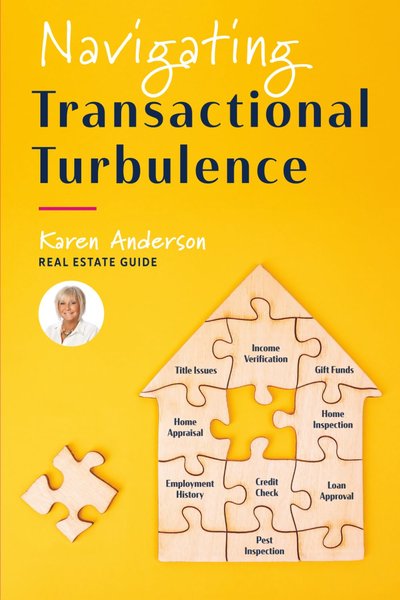
Navigating Transactional Turbulence book cover by Karen Anderson

Navigating Transactional Turbulence

A real estate guide to the pieces every deal depends on, from appraisals and inspections to financing, title, and closing.

Ready to Begin?

Let's talk about your condo move

Whether you are buying your first Florida condo or selling in a changing market, Karen brings the local knowledge and steady guidance to help you decide with confidence.

Call or Text
Email
Office 101 N. Federal Highway, Floor 5
Boca Raton, FL 33432
Karen Anderson, REALTOR® · Broker Associate
Compass Florida, LLC · Champagne & Parisi Team
FL Broker #3141013

The Florida Condo Playbook

Get the complete guide to buying, selling, and navigating Florida condo laws, from reserves and milestone inspections to insurance and financing.

Buy on Amazon